

Load it right, drive it right, and get the job done without a hitch.
This guide walks homeowners, DIYers, and small contractors through everything they need to know to safely load and tow a utility trailer rental — from hitching up correctly to unloading at the job site.
Frequently Asked Questions About Renting and Towing a Utility Trailer
- How much does it cost to rent a utility trailer per day?
- Daily rental rates for utility trailers typically range from $40 to $100 depending on size, axle configuration, and your local market. Smaller 5x10 open trailers tend to run on the lower end, while larger 7x16 tandem-axle trailers cost more. Browse RNTR to compare rates from local providers near you.
- What size utility trailer do I need for my project?
- For hauling lawn equipment, furniture, or small loads, a 5x10 trailer is usually enough. Moving ATVs, lumber, or larger equipment calls for a 7x14 or 7x16 trailer. Check the trailer's weight rating (GVWR) and bed dimensions before you book to make sure your load fits safely.
- What ball size does a utility trailer require?
- Most utility trailers use either a 2-inch or 2-5/16-inch ball. The rental listing will specify which size is required. If your vehicle's hitch has the wrong ball, some RNTR providers also rent trailer hitches and ball mounts separately so you don't get stuck at the pickup.
- Do I need a special license to tow a utility trailer?
- In most U.S. states, a standard driver's license covers towing a utility trailer with a combined weight under 26,000 lbs. Always check your state's DMV rules and your tow vehicle's owner manual for its maximum trailer weight rating before renting.
- Can I get a utility trailer delivered, or do I have to pick it up?
- Pickup and delivery options depend on the individual provider. Many RNTR listings offer pickup only, but some local rental shops on the platform offer delivery for an added fee. Check the listing details or message the provider directly through the RNTR app before booking.
- How long can I rent a utility trailer?
- Rental durations on RNTR range from a single day to multiple weeks. Most providers price by the day, with discounted weekly rates available for longer projects. If you need the trailer for a full week of landscaping or a multi-day move, ask the provider about their weekly rate when you book.
Utility Trailer Rental Options: What to Look For
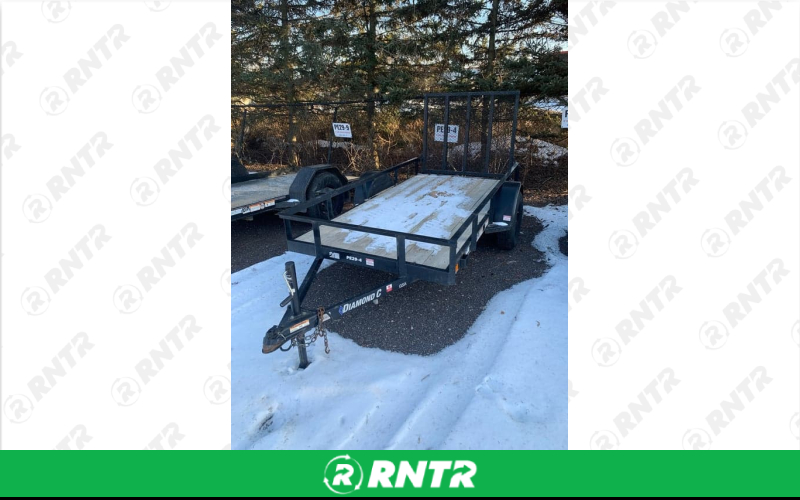
5x10 Open Utility Trailer
A 5x10 utility trailer is the go-to choice for weekend warriors hauling lawn debris, furniture, or small landscaping loads. It pairs with most half-ton trucks and many SUVs, and its compact size makes it easier to back into tight driveways. Look for a model that includes a rear ramp so you can roll on mowers, wheelbarrows, or heavy equipment without lifting. When you browse RNTR listings, confirm the 2-inch ball requirement and 4-flat wiring connector match your vehicle.
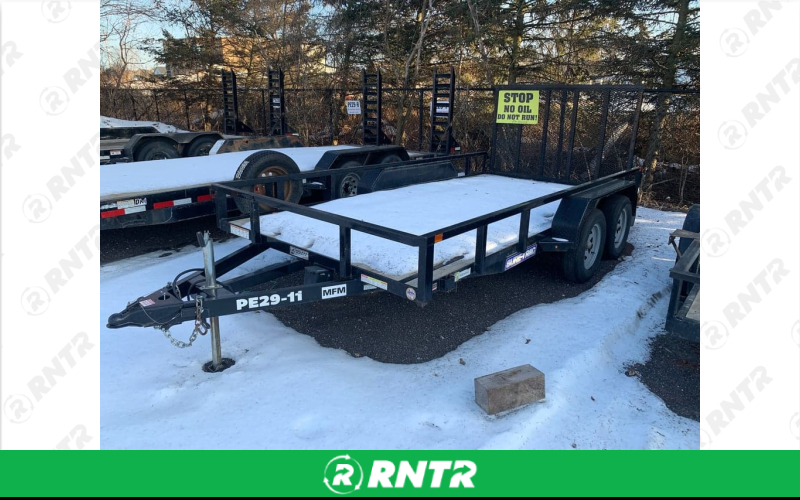
7x14 Utility Trailer
A 7x14 open trailer gives you a full-size platform for moving ATVs, skid steers, large loads of gravel or mulch, or a full household worth of furniture. These trailers typically require a 2-5/16-inch ball and a 7-round wiring harness, so double-check your vehicle's hitch setup before pickup. A tandem-axle configuration on a 7x14 also improves stability at highway speeds, which matters a lot when you're hauling close to the weight limit. If you're comparing options, check out our guide on dump trailer vs utility trailer to make sure you're renting the right type for your project.
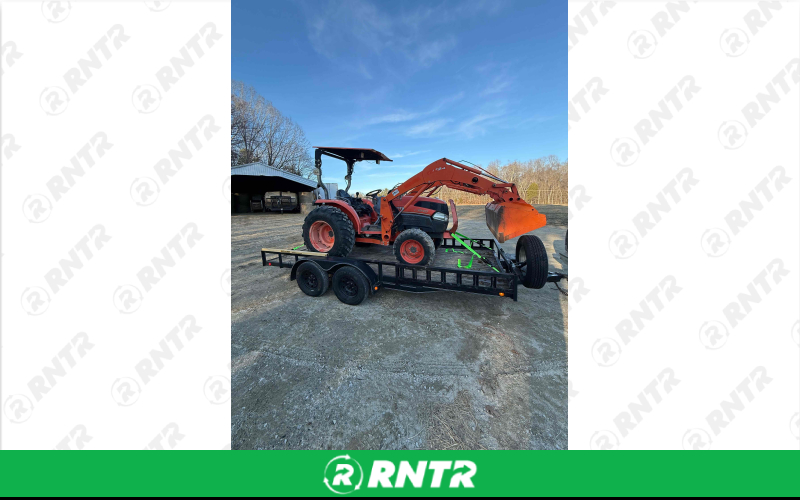
7x16 Utility Trailer
When the job calls for maximum deck space, a 7x16 trailer handles everything from equipment transport to oversized deliveries. The extra two feet of length makes a real difference when loading long lumber, multiple pallets, or large outdoor power equipment. Confirm the trailer's gross vehicle weight rating (GVWR) matches your planned load, and make sure your tow vehicle is rated for the combined weight. Because these trailers are longer, practice low-speed maneuvering and wide turns before hitting the highway.
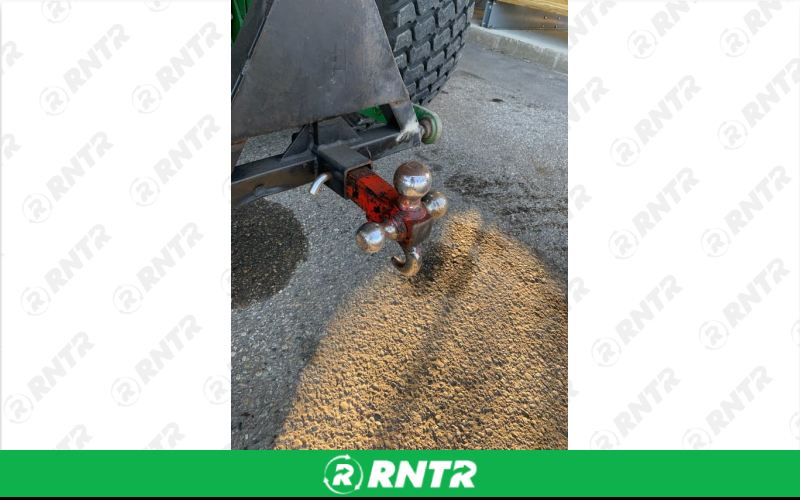
Trailer Hitch and Ball Mount
A trailer hitch and ball mount are the physical connection point between your vehicle and the trailer. If your vehicle has the wrong receiver size or ball diameter for the trailer you're renting, you won't be able to tow legally or safely. Some RNTR providers rent hitch hardware alongside their trailers — a smart convenience if you don't already own the right setup. Always verify the hitch class (Class I through V) your vehicle can support and match it to the trailer's tongue weight rating.
Utility Trailer Rental Options at a Glance
| Trailer | Bed Size | Typical Daily Rate | Ball Size Required | Best For |
|---|---|---|---|---|
| 5x10 Utility Trailer with Ramp | 5 ft x 10 ft | $40 - $55/day | 2 inch | Lawn equipment, furniture, small loads |
| 77x10 Utility Trailer with Ramp | 77 in x 10 ft | $45 - $60/day | 2 inch | Mowers, ATVs, mixed cargo |
| 77x12 Load Trail Utility Trailer | 77 in x 12 ft | $50 - $65/day | 2-5/16 inch | Medium equipment, landscaping debris |
| 77x12 DSA Utility Trailer | 77 in x 12 ft | $50 - $65/day | 2-5/16 inch | Equipment transport, mid-size loads |
| 7x14 Utility Trailer (Single Axle) | 7 ft x 14 ft | $65 - $80/day | 2-5/16 inch | Large equipment, heavy cargo |
| 7x14 Utility Trailer (Tandem Axle) | 7 ft x 14 ft | $75 - $95/day | 2-5/16 inch | Heavy equipment, maximum stability |
| 7x16 Utility Trailer | 7 ft x 16 ft | $80 - $100/day | 2-5/16 inch | Oversized loads, long lumber, pallets |
| 16 ft Equipment/Car Hauler Trailer | 16 ft | $90 - $120/day | 2-5/16 inch | Vehicles, heavy machinery, large equipment |