

Cut Concrete with Confidence on Your Next Project
This guide walks homeowners, DIYers, and small contractors through everything they need to know to safely and effectively use a rented concrete saw, from choosing the right blade to making clean, controlled cuts.
Frequently Asked Questions About Renting and Using a Concrete Saw
- How much does it cost to rent a concrete saw?
- Concrete saw rental rates on RNTR typically range from $60 to $150 per day depending on the saw size and your location. Larger walk-behind or cart-mounted saws run toward the higher end, while smaller handheld gas saws are more affordable. Weekly rates are also available for multi-day projects and offer better value than paying daily.
- Do I need experience to rent a concrete saw through RNTR?
- No prior professional experience is required, but you should read the rental provider's operating instructions and follow all safety guidelines before starting. RNTR connects you with local rental shops whose staff can walk you through the equipment at pickup. This beginner's guide also covers the core steps so you arrive prepared.
- What type of concrete saw should I rent for a driveway or patio project?
- For most residential driveway or patio cuts, a handheld gas-powered concrete saw with a 6- to 14-inch diamond blade handles the job well. For longer, straight cuts or control joint work on slabs, a walk-behind saw mounted on a cart gives you better accuracy and less fatigue. RNTR listings show blade size and saw type so you can match the tool to your project.
- Is a deposit required when renting a concrete saw?
- Most RNTR rental providers require a refundable security deposit, typically ranging from $50 to $200 depending on the equipment value. The deposit is held through Stripe-secured payments and returned after the equipment comes back undamaged and on time. RNTR also includes up to $2,000 in damage protection on qualifying rentals for added peace of mind.
- Can I get the concrete saw delivered, or do I have to pick it up?
- Availability varies by provider. Many RNTR listings offer both pickup and delivery options. Delivery is convenient for heavier walk-behind saws or cart setups. Check the listing details in the RNTR app to see which options your local provider supports and whether a delivery fee applies.
- How long can I rent a concrete saw?
- Rental durations on RNTR range from a single day to a full week or longer, depending on the provider. Most small cutting jobs wrap up in a day or two. If your project involves multiple phases, ask the provider about weekly rates since they typically offer better per-day value than extending a daily rental.
- What blade do I need for cutting concrete versus asphalt?
- Diamond blades are standard for both concrete and asphalt, but the bond hardness differs. Concrete requires a blade with a softer bond so the diamonds wear away evenly, while asphalt needs a harder bond blade to prevent premature wear. Always confirm with your RNTR rental provider that the blade included with the saw matches your material.
Concrete Saw Types and Accessories Available to Rent
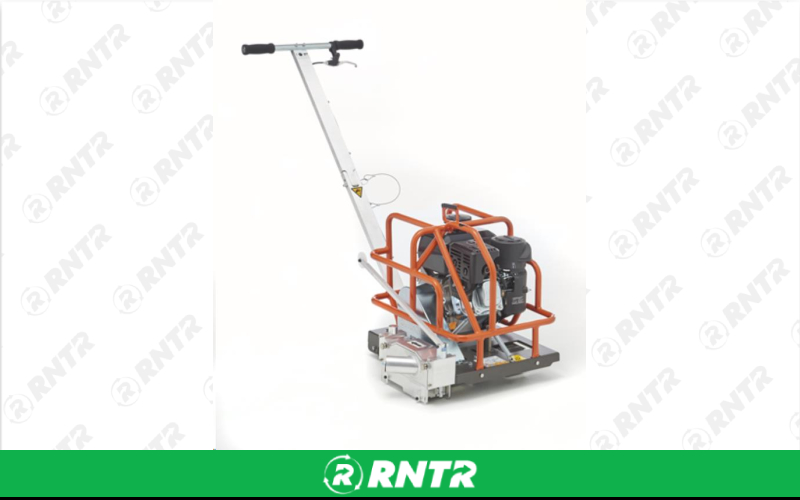
Handheld Gas Concrete Saw (6-Inch)
A 6-inch handheld gas concrete saw is the go-to choice for cutting control joints, trimming pavers, and making quick cuts in slabs or walls. The compact size makes it easy to maneuver in tight spaces, and gas power means you are not limited by a cord. When renting, confirm the blade type is matched to your material and that the saw includes a blade guard.
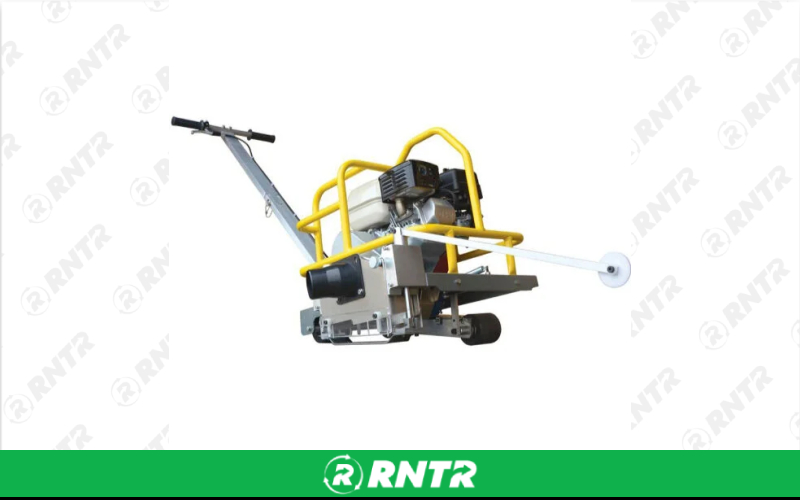
Early Entry Concrete Saw (6-Inch)
An early entry concrete saw is designed to cut control joints in freshly poured concrete before random cracking begins, typically within the first few hours after a pour. These specialized saws use a skid plate and fine-tooth blade to prevent edge raveling in green concrete. If you are managing a fresh slab, this is the saw to rent rather than a standard dry-cut model.

Large-Format 16-Inch Circular Concrete Saw
A 16-inch concrete circular saw handles deep cuts in thick slabs, concrete walls, and structural demolition work. The larger blade diameter lets you cut deeper in a single pass compared to smaller saws, reducing the need for multiple scoring runs. Look for a rental unit that includes water hookup capability to reduce dust and keep the blade cool during extended cuts.

Cart for Concrete Saw
A saw cart transforms a handheld or mid-size concrete saw into a walk-behind machine, giving you straight, consistent cuts with far less physical effort. The cart holds the saw at a fixed angle and rolls on a guide frame, which is invaluable for long cuts like expansion joints in driveways or floor slabs. Rent the cart alongside your concrete saw whenever straight-line accuracy matters.
Safety and Personal Protective Equipment
Before you make the first cut, you need proper PPE: safety glasses or a full face shield, hearing protection, heavy-duty gloves, steel-toed boots, and a P100 or N95 respirator rated for silica dust. Concrete dust contains crystalline silica, which causes serious lung disease with repeated exposure. Your RNTR rental provider may carry some PPE, but plan to source these items before your rental day.
Concrete Saw Rental Options: Which One Is Right for Your Project?
| Equipment | Category | Typical Daily Rate | Best For |
|---|---|---|---|
| 6-Inch Handheld Gas Concrete Saw | Gas-Powered Handheld Saw | $60 - $85/day | Cutting pavers, trimming slabs, patio repairs, general-purpose concrete cuts |
| 6-Inch Early Entry Concrete Saw | Specialty Green Concrete Saw | $70 - $100/day | Cutting control joints in fresh concrete pours within hours of placement |
| 16-Inch Circular Concrete Saw | Large-Format Electric/Gas Saw | $110 - $150/day | Deep cuts in thick slabs, structural demolition, commercial concrete work |
| Cart for Concrete Saw | Saw Accessory / Walk-Behind Frame | $25 - $45/day | Straight-line cuts on driveways, floors, and slabs requiring consistent depth |
| Walk-Behind Concrete Cut-Off Saw | Mid-Size Walk-Behind Saw | $90 - $130/day | Sidewalk replacement, road patching, and longer straight cuts on flat surfaces |
| Electric Angle Grinder with Diamond Blade | Compact Handheld Tool | $20 - $40/day | Small detail cuts, tile and block trimming, confined space cuts near walls |