

Compact soil, gravel, and pavers like a pro without buying equipment you'll only use once
This guide walks DIY landscapers, small contractors, and homeowners through renting and operating a plate compactor safely, whether you're prepping a patio base, backfilling a trench, or finishing a driveway project.
- How much does it cost to rent a plate compactor?
- Daily rates on RNTR typically run $50 to $90 depending on the size and class of the machine, with weekly rates offering better value if your project spans several days. Local providers set their own pricing, so you can compare options in your area right in the app.
- Do I need a reverse plate compactor or a forward-plate model?
- Forward-plate compactors work well for small patios, walkways, and light gravel work, while reverse plate compactors handle larger areas and denser soil more efficiently. If you're unsure, message the provider through RNTR and describe your project, most are happy to recommend the right fit.
- Is delivery available, or do I need to pick it up myself?
- Many local providers on RNTR offer both pickup and delivery options, and you can filter by availability when browsing listings. Plate compactors are heavy, so delivery is worth the small added cost if you don't have a truck or trailer.
- How long do I need to rent a plate compactor for a typical project?
- Most homeowner projects like patio bases or paver walkways only need the machine for a day, while larger jobs like driveway prep or trenching backfill may run two to three days. Renting weekly is usually cheaper per day if your timeline is uncertain.
- Is a deposit required to rent a plate compactor?
- Yes, most providers require a refundable deposit that's held securely through Stripe-secured payments in the RNTR app. RNTR also backs eligible rentals with up to $2,000 in damage protection, so you're covered if something unexpected happens.
- Can I find a plate compactor for rent near me?
- Yes, RNTR connects you with local providers so you can browse available equipment in your neighborhood instead of driving across town. Check out this guide on how to find available equipment rentals in your area for tips on narrowing down options quickly.
- What's the difference between a standard plate compactor and a heavier class model?
- A 200lb class plate compactor delivers more compaction force and is better suited for base material and larger surface areas, while lighter models are easier to maneuver in tight spaces. Renting lets you match the machine to the job without overpaying for capability you don't need.
Types of Plate Compactors and What They're Used For
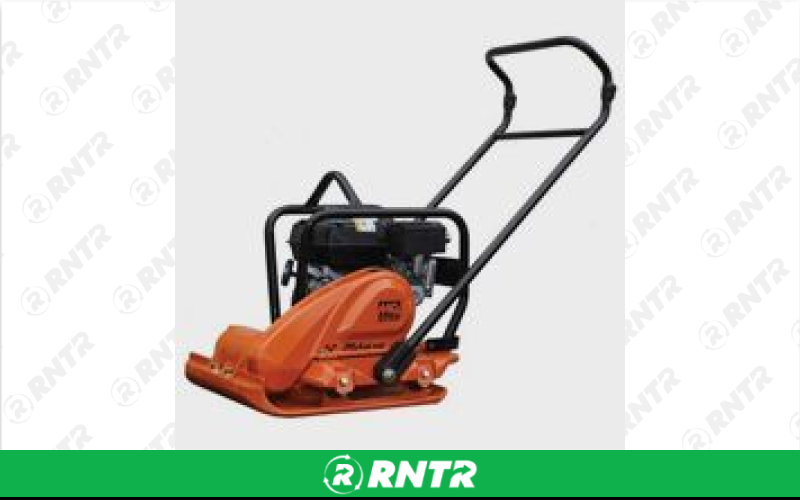
Forward-Plate Compactor
A forward-plate compactor moves in one direction and is ideal for smaller residential jobs like patios, walkways, and shed pads. Look for a model with adjustable vibration settings so you can dial in the right force for sand, gravel, or soil.
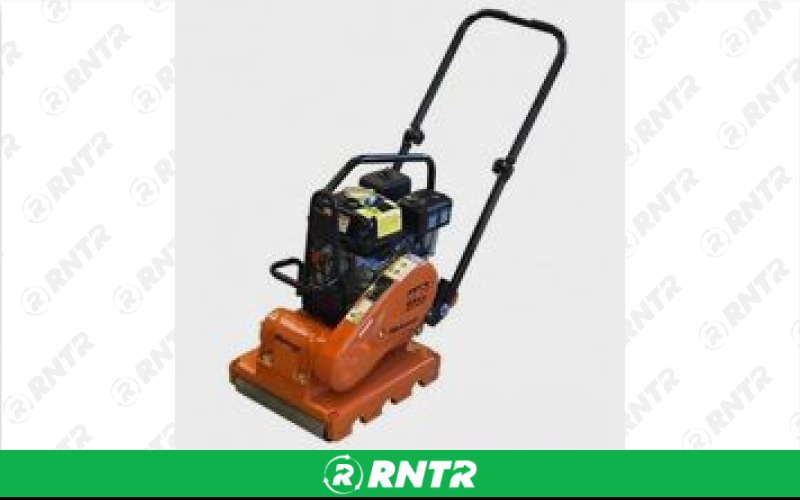
Paver Plate Compactor
Paver plate compactors are designed with a protective pad that prevents chipping or cracking when compacting interlocking pavers or brick. If your project involves finishing a paver patio or walkway, this is the specialty tool to rent instead of a standard model.
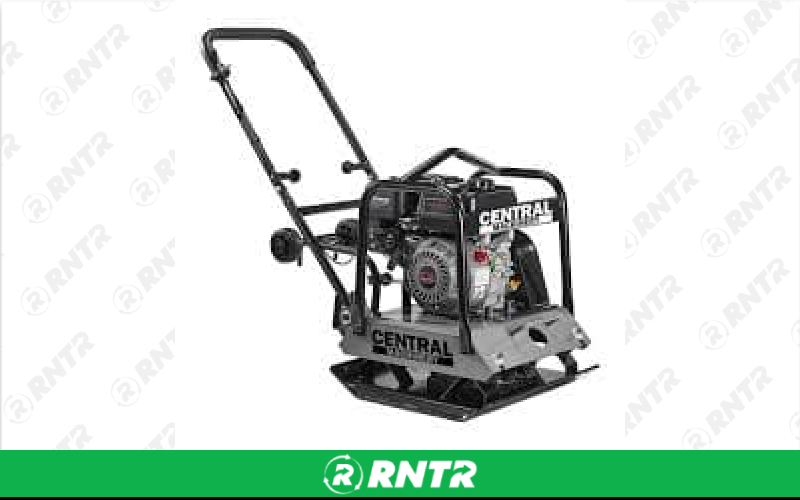
Reverse Plate Compactor (200lb Class)
Heavier 200lb class reverse plate compactors move forward and backward automatically, making them better suited for larger driveways, parking pads, or trench backfill. When renting, check the compaction force rating and confirm the provider includes an operator's manual for your specific model.
Safety Gear
Before starting any compaction job, gather ear protection, safety glasses, steel-toe boots, and work gloves since plate compactors are loud and vibrate heavily. Some rental providers include basic safety accessories with the equipment, so ask when booking.
Plate Compactor Rental Comparison
| Equipment | Category | Typical Daily Rate | Best For |
|---|---|---|---|
| Forward-Plate Compactor | Lawn and Garden / Construction | $50 - $65 | Small patios, walkways, shed pads |
| Paver Plate Compactor | Construction | $55 - $75 | Interlocking pavers, brick patios |
| 200lb Class Reverse Plate Compactor | Construction | $70 - $90 | Driveways, trench backfill, larger jobs |
| Cement Mixer | Construction | $40 - $60 | Mixing concrete for footings or slabs |
| Trencher | Construction | $90 - $150 | Digging utility lines or irrigation trenches |
| Aerator | Lawn and Garden | $45 - $60 | Lawn care and turf maintenance |