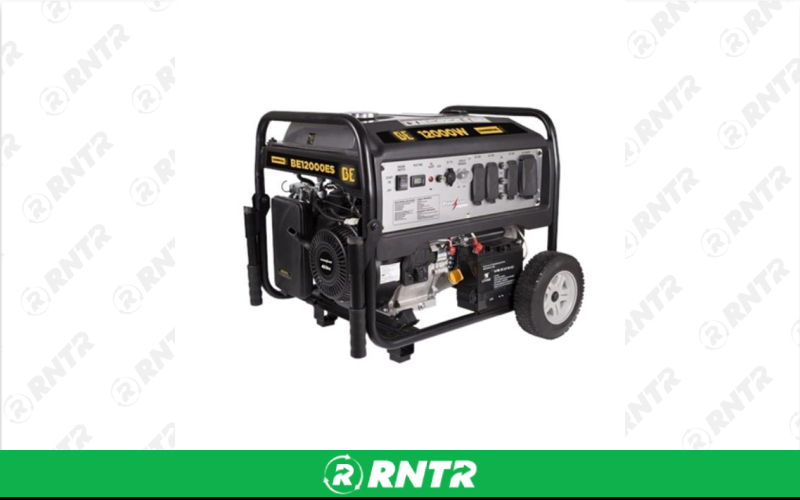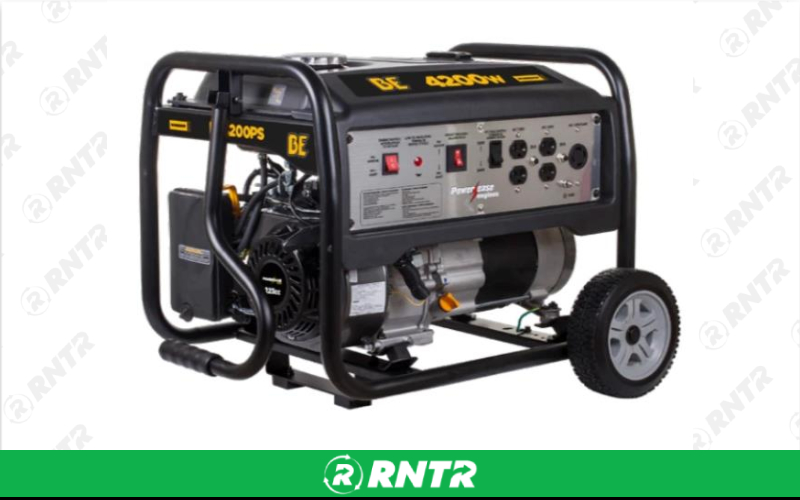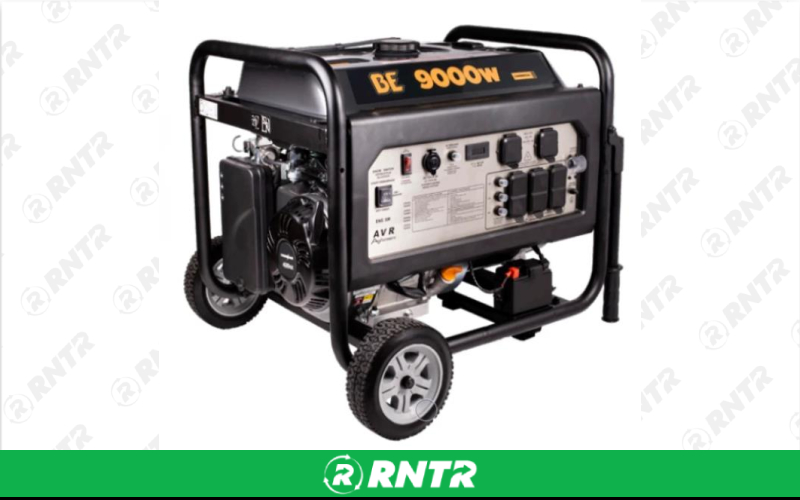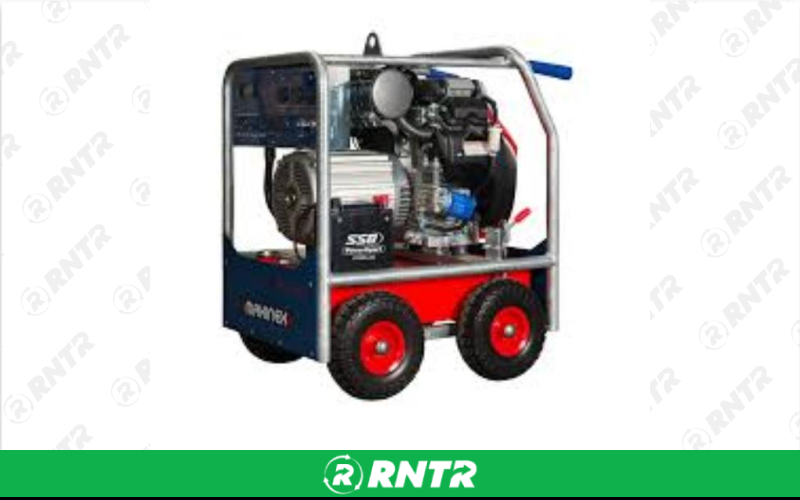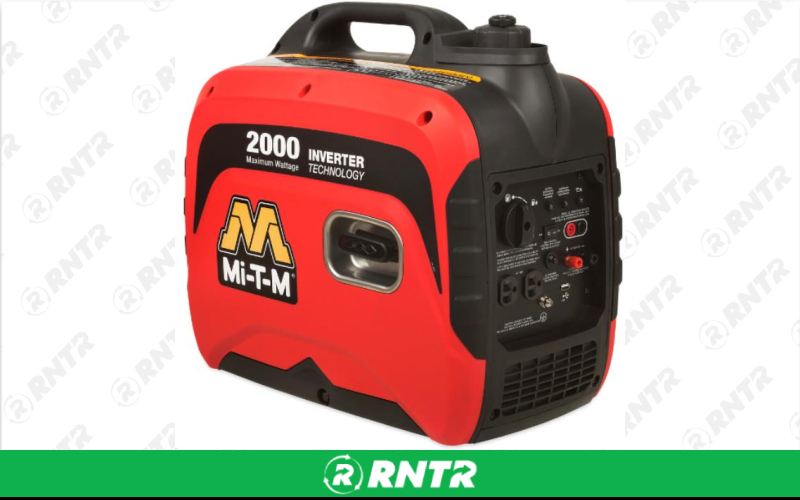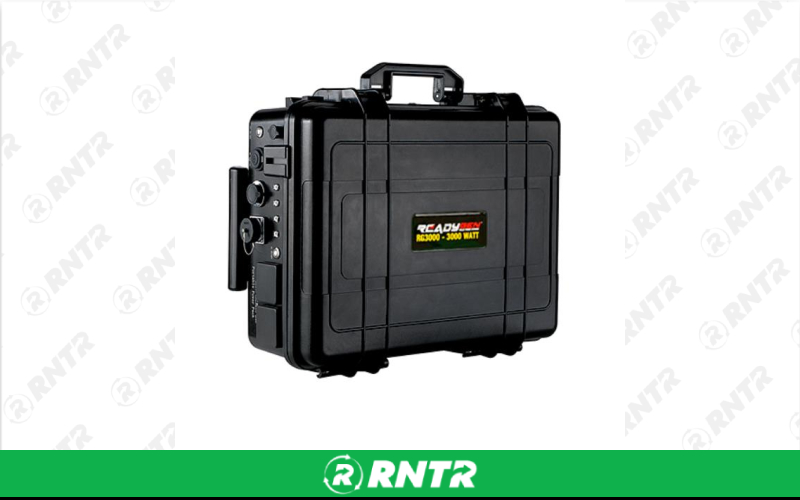

Find the right generator wattage for your project, event, or home backup — then rent one locally through Rntr.
Renting a generator is one of the smartest ways to get reliable power without the cost of ownership. But picking the wrong size can leave you underpowered mid-project or paying for capacity you never use. This guide breaks down exactly how to calculate your wattage needs, match them to the right generator size, and find a rental near you — whether you need a compact 1,000-watt inverter for a campsite or a 7,500-watt unit to keep a construction crew running.
Generator Rental Questions, Answered
- How much does it cost to rent a generator per day?
- Generator rental rates on Rntr typically range from $40 to $150 per day depending on wattage, fuel type, and your location. Smaller portable units in the 1,000 to 2,500-watt range usually rent for $40 to $70 per day. Mid-range units (3,500 to 6,500 watts) run $75 to $120 per day. Larger standby-style or towable generators can exceed $150 per day. Weekly rates often offer significant savings if your project runs longer than three to four days.
- Can I pick up a rental generator or does it need to be delivered?
- Most rental providers listed on Rntr offer both pickup and delivery options. Smaller portable generators (under 3,500 watts) are easy to transport in a truck bed or SUV, so pickup is common. Heavier units above 5,000 watts may require delivery, and some providers charge a separate delivery fee. Check the individual listing for available options in your area.
- What size generator do I need for a construction site?
- A construction site running multiple power tools simultaneously typically needs between 5,000 and 10,000 watts. Add up the running watts of each tool you plan to use at once, then add the highest startup surge wattage of any single motor-driven tool. A circular saw (1,400W running, 2,300W surge), grinder (1,200W), and work lights (500W) together require roughly 3,100 running watts plus surge capacity, so a 5,000-watt generator would be the minimum for that combination.
- What size generator do I need for an outdoor event or wedding?
- Outdoor events typically need between 3,500 and 7,500 watts depending on what's running. A DJ setup, string lights, and a few vendor outlets can be managed on a 3,600-watt unit. Add catering equipment, a sound system, or multiple vendor booths and you should plan for 5,000 to 7,500 watts. Quiet inverter generators are often preferred for events since they run at lower decibels.
- How long can I rent a generator for?
- Rental durations on Rntr are flexible. Most providers offer hourly, daily, and weekly rates. Some list monthly pricing for longer-term projects. If your rental needs extend beyond a week, contact the provider directly through the listing to discuss extended rental terms and potential discounts.
- Do I need to return the generator with a full fuel tank?
- Fuel policies vary by provider. Many require you to return the generator with the same fuel level it had at pickup (most often full). Some providers offer a fuel pre-purchase option where you pay upfront and return it empty. Always confirm the fuel policy before leaving with the unit to avoid extra charges.
Generator Sizing Basics: Running Watts vs. Starting Watts
Running watts are the continuous power a generator produces to keep your devices operating normally. Starting watts are the temporary spike of power required to start a motor-driven appliance like a refrigerator, air compressor, or circular saw. That surge typically lasts only a fraction of a second, but your generator has to handle it without tripping.
For example, a 15-amp table saw may draw 1,800 running watts but require a 4,500-watt surge to start. If your generator is rated at 3,500 watts, it will not handle that startup load even though it can sustain the saw once running.
The rule of thumb: size your generator to its running watt total, then confirm the peak (starting) watt rating exceeds the highest single-appliance surge you will encounter. Most generator listings show both figures.
How to Calculate Your Generator Wattage Needs
2. Find the running wattage for each (check the label, spec sheet, or the table below).
3. Add all running wattages together. This is your required running load.
4. Identify the single device with the highest startup surge. Add that surge wattage to your running total.
5. Choose a generator rated at or above that combined number.
- Circular saw: 1,400W
- Shop vac: 800W
- LED work lights: 200W
- Phone and battery chargers: 150W
- Running total: 2,550W
- Circular saw startup surge: +2,300W
- Required generator capacity: at least 4,850W peak
Common Wattage Reference Guide
Household and Event Appliances:
- Refrigerator (standard): 150W running / 600W surge
- Window air conditioner (10,000 BTU): 1,200W running / 3,500W surge
- Electric water heater: 4,000W running / 4,000W surge
- Sump pump (1/2 HP): 1,050W running / 2,150W surge
- TV (65-inch): 150W running
- String lights (100 feet): 40-100W running
- DJ/PA speaker system: 1,000 to 2,000W running depending on size
- Coffee maker: 1,000W running
Power Tools:
- Circular saw (7.25-inch): 1,400W running / 2,300W surge
- Reciprocating saw: 960W running / 1,200W surge
- Angle grinder (4.5-inch): 1,200W running
- Drill (1/2-inch): 600W running / 900W surge
- Air compressor (1 HP): 1,500W running / 4,500W surge
- Table saw (10-inch): 1,800W running / 4,500W surge
Construction Equipment:
- Concrete mixer (1/2 bag): 1,200W running / 3,000W surge
- Jackhammer (electric): 1,100W running
- Pressure washer (1,600 PSI electric): 1,200W running
- Submersible pump (1 HP): 2,000W running / 3,800W surge
These numbers make it clear why generator sizing depends entirely on the specific combination of equipment you plan to run. There is no single right answer for every use case.
Generator Size Comparison: Which Capacity Is Right for You?
The table below maps common rental generator sizes to typical use cases, so you can quickly match your needs to the right capacity range. All pricing reflects typical daily rental rates through Rntr marketplace providers and may vary by location.
| Generator Size | Typical Daily Rental Rate | Best For | What It Can Power | Limitations |
|---|---|---|---|---|
| 1,000 – 2,000 Watts | $40 – $65/day | Camping, tailgating, small outdoor events, phone and laptop charging | Lights, phone chargers, small fans, laptops, small TV, CPAP machine | Cannot run large appliances or motor-driven tools; not suited for construction |
| 2,500 – 3,600 Watts | $55 – $85/day | Small DIY projects, food truck support, small parties, backup for a few appliances | Circular saw + lights + chargers, refrigerator + window AC (not simultaneously), small PA system | Struggles with simultaneous high-surge startup; not enough for full job site |
| 4,000 – 5,500 Watts | $80 – $115/day | Weekend DIY renovations, mid-size outdoor events, small construction crews | Multiple power tools, table saw, air compressor, DJ setup, catering equipment | May not support central AC or multiple large motor starts at once |
| 6,000 – 8,000 Watts | $100 – $140/day | Full construction sites, large outdoor events, home backup power (partial load) | Whole job site tool load, large PA system + lights + catering, central AC + fridge + lights | Heavier and louder; may require delivery; higher fuel consumption |
| 10,000+ Watts | $130 – $200+/day | Large commercial sites, full home backup, major events with multiple vendors | Full residential load, large construction equipment, multiple vendor booths simultaneously | Typically requires professional setup or transfer switch; not a typical DIY rental |
Choosing a Generator for Specific Use Cases
For basic backup power during an outage, identify which circuits you need to keep running. Most homeowners prioritize the refrigerator, a few lights, the sump pump, phone chargers, and possibly a window AC or heater. That combination typically lands between 3,500 and 6,000 watts. A portable generator connected through a transfer switch or interlock kit is the standard setup for this. If you are renting for storm season or a planned outage, look for units in the 5,000 to 6,500-watt range with extended run time.
The key variable on a job site is how many tools run simultaneously. A solo contractor running one tool at a time can get by with a 3,600-watt unit. A two- or three-person crew with multiple tools, compressors, and task lighting needs 6,000 to 8,000 watts minimum. If you are also operating equipment like a scissor lift or man lift at the same site, review their power requirements separately. The scissor lift beginner's guide covers operational requirements that may affect your overall power planning.
Events have unique requirements because power demand tends to spike at predictable moments: when the DJ starts, when catering fires up, or when the dance floor lights all kick on simultaneously. Build in 20 to 30 percent overhead above your calculated running load. Quiet inverter generators are worth the slight premium for events where noise matters. A 3,600-watt inverter-style unit works well for smaller gatherings; larger events with a catering setup and sound system typically need 6,000 watts or more.
For tent camping or RV use, a 1,000 to 2,000-watt inverter generator is usually sufficient. These units are lightweight, fuel-efficient, and produce clean power safe for sensitive electronics. They are not designed for heavy tools or appliances with large startup surges.
Fuel Type and Runtime Considerations
Gasoline generators are the most common rental option. They are easy to refuel, widely available, and available in every size range. The downside: gasoline has a short shelf life and you will need to refuel for any project longer than eight to ten hours.
Propane generators offer longer fuel shelf life and slightly cleaner operation, but propane tanks add bulk and cost. They are often used for standby home backup setups.
Dual-fuel generators can run on either gasoline or propane, giving you flexibility during extended outages when one fuel type may be scarce.
Runtime planning: A typical 5,000-watt gasoline generator running at 50 percent load consumes roughly 0.5 to 0.7 gallons of fuel per hour. At a 12-hour job day, that is six to eight gallons. Factor fuel cost into your rental budget alongside the daily rental rate and any delivery fees.
Always follow the provider's instructions on oil checks, refueling procedures, and safe operation. Running a generator indoors or in an enclosed space is extremely dangerous and should never be done.